The US administration of President Donald Trump has proposed significantly loosening fuel economy targets for automakers.
In 2024, under President Joe Biden, National Highway Traffic Safety Administration (NHTSA) successfully changed the Corporate Average Fuel Economy (CAFE) standard so that it would rise by between eight and 10 per cent per year before hitting the target of 50.4mpg (4.7L/100km) in 2031.
NHTSA’s latest proposed rule change would see the CAFE standard rise by between 0.25 and 0.5 per cent annually to reach a target of 34.5mpg (6.8L/100km) by 2031. This even more lax the 40.5mpg (5.8L/100km) final target set during the first Trump administration.
The 50.4mpg standard set by President Biden was seen as a way of encouraging automakers to prioritise building EVs without banning petrol and diesel new vehicle sales. NHTSA previously said the Biden-era rules would reduce fuel use by around 200 billion gallons (757 billion litres) through 2050.
This contrasts with rules enacted by the European Union in 2023, which effectively prohibits the sale of new petrol and diesel vehicles from 2035. With EV sales growth slowing considerably, some automakers and nations in the EU are currently pressing the European Commission to allow hybrid, plug-in hybrid and eco-fuels to be allowed after 2035.
Interestingly NHTSA is also proposing reclassifying car-based SUVs and small off-roaders as passenger vehicles, which are currently counted as light trucks alongside pickup trucks.
NHTSA also wants to eliminate credit trading by 2028, which it describes as a “windfall for EV-exclusive manufacturers that sell credits to other non-EV manufacturers”. Tesla is one of the biggest beneficiaries of credit trading in the US.
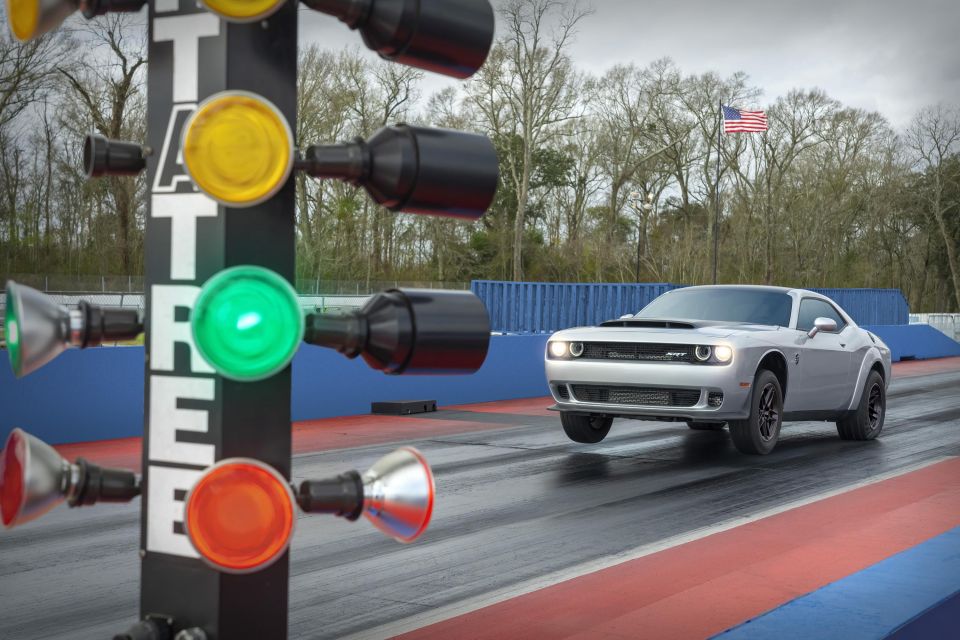
With the proposed rules changes published, the public and other interested parties have 45 days to file submissions. NHTSA will hold a public hearing before the 45 day period ends, and will likely make revisions afterwards.
The White House is pitching the rule changes as a way of arresting the rise in new car prices. That said, the changes, once enacted, will likely have no immediate impact on new vehicle prices as the current administration has already set the penalty for breaching CAFE standards to zero dollars.
According to the White House, the move means if “Democrats return to power, the CAFE standards are sensible”.
The proposed CAFE changes are this administration’s latest strike against emissions regulations. In addition to reducing the fines for breaching CAFE standards to zero, it has also ended the US$7500 (A$11,300) federal EV tax credit in September, and banned California from setting its own emissions standards, which were followed by 17 states.
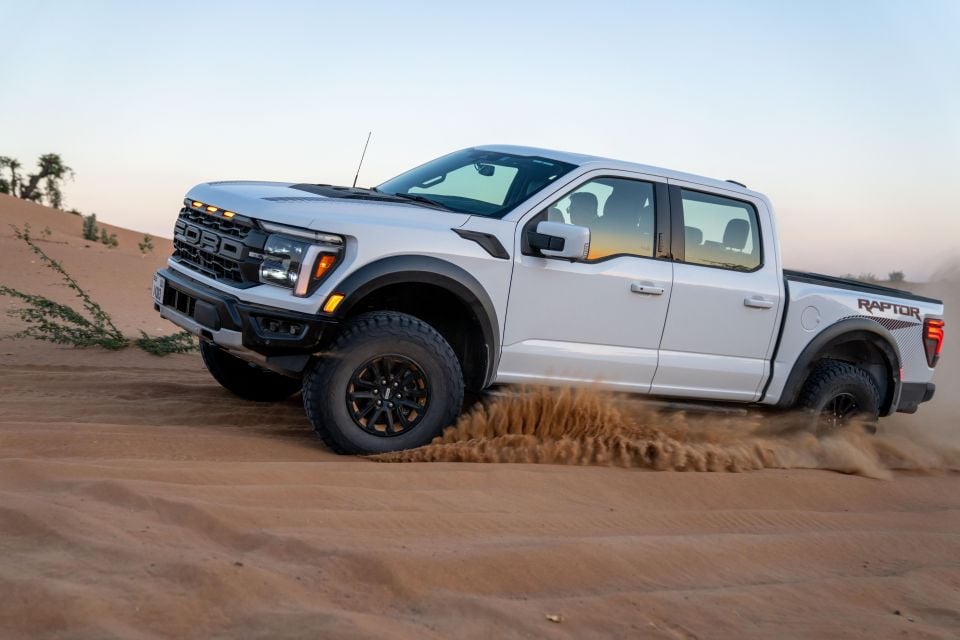
Ford CEO Jim Farley lauded the looser CAFE rules as a “victory for common sense and affordability”. Stellantis CEO Antonio Filosa described the opportunity to boost V8 production as “just huge”, and added “it’s a lever we intend to pull very hard next year and in the years to come”.
Environmental advocates are less pleased with the change, while California governor Gavin Newsom said the President is “proposing to gut fuel economy standards that will force Americans to spend billions more at the pump while poisoning the air in our communities”.
